The Dawn Chorus Starts at Midnight: Britain’s Overnight Rehearsal Rooms

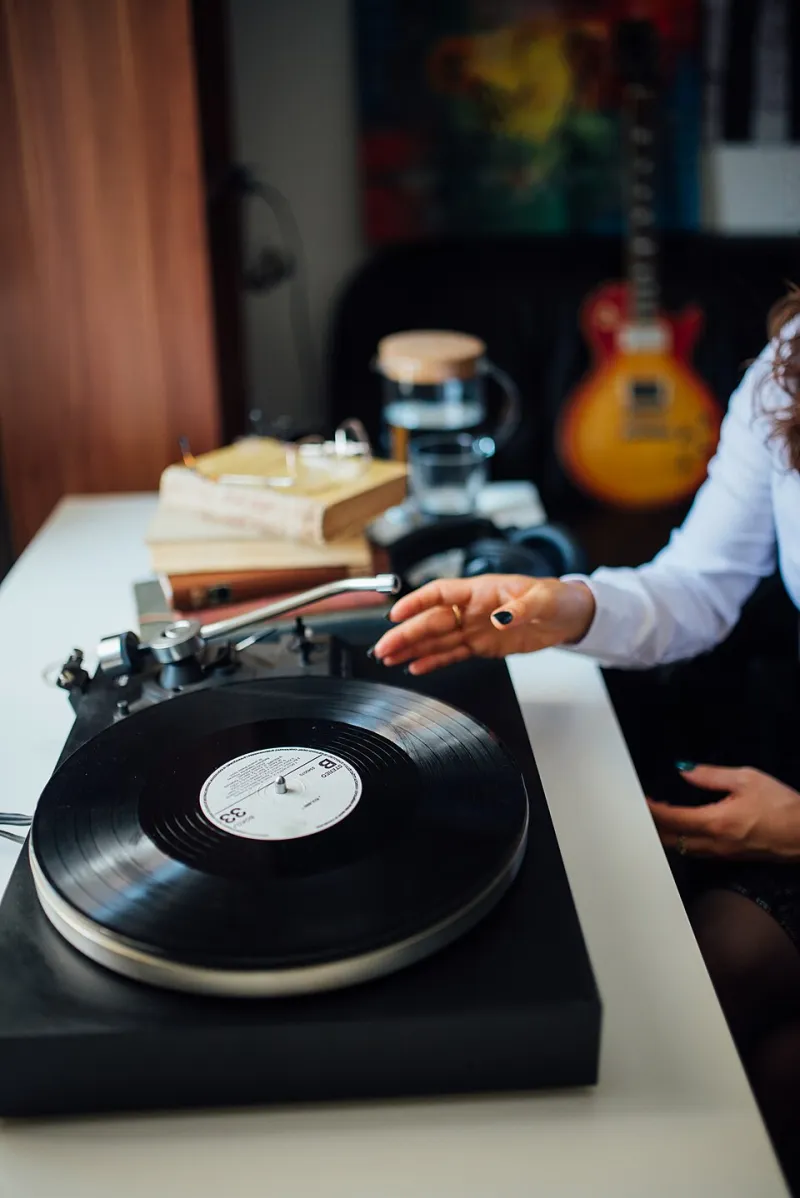
Photo: empty music rehearsal studio at night with drum kit cables and kettle, via i.pinimg.com
At 2.47am, an industrial estate on the edge of a British city is doing what industrial estates do after dark: nothing, visibly. Behind one door, though, a drummer is counting in a song for the fourth time. A bassist has come straight from a bar shift, still carrying the smell of lemon and cleaning fluid. The singer has a flask and a throat lozenge. The room is booked until six. This is not a gig. It is a rehearsal, and it is happening at an hour when the rest of the country is asleep.
For anyone who has only ever encountered music-making as a stage-lit event, the overnight rehearsal room can feel like a secret. It is not, really. It is a timetable. In 2026, as venues juggle earlier curfews and neighbours, and as more musicians work shifts that do not fit the nine-to-five, the after-hours studio has become a quiet fixture of British music. It sits between the bedroom and the venue: louder than a laptop, cheaper than a tour, and available when the day has already been spent.
The handover hour
The rhythm of these places is set by the handover. Around eleven, the evening bookings thin out. Daytime bands pack up; the night shift arrives. Some are coming from gigs, drums still in the van. Some are coming from work: kitchens, hospitals, call centres, late buses. Some are bedroom producers who need to hear a kick drum through a real system before they trust it. The bookings are often short — two hours, three hours, a graveyard slot — and the etiquette is strict. Overrun by ten minutes and you are eating into someone else’s dawn.
Inside, the scene is less romantic than it sounds. There are laminated signs about the kettle. There is a bin bag that needs changing. There is always one cable that works only if you hold it at an angle. But there is also a particular kind of focus that arrives when the outside world has gone quiet. Without an audience, without a promoter, without a last train to catch, a band can rehearse the unglamorous bits: the transitions, the endings, the song that falls apart every time it is played at full volume.
Curfew maths
The overnight room exists because of a very British equation: noise plus neighbours equals complaint. Many studios are tucked into industrial estates, railway arches and converted warehouses, but even there, sound travels. The workaround is part engineering, part compromise. Rooms are soundproofed and double-doored. Drummers use electronic kits or brushes. Guitarists turn down and rely on amp modelling. Bands split their sessions: a loud run-through earlier in the evening, a quiet arrangement session after midnight.
That might sound like a dilution of the rock-and-roll dream. In practice, it is a lesson in arrangement. When volume is limited, parts have to earn their place. A chorus that relied on sheer decibels has to find another way to lift. A vocal has to carry. The curfew does not just keep the peace; it forces a band to listen.
For local scenes, the effect is cumulative. A city’s music culture is not only made of headline shows. It is made of the Tuesday-night rehearsal that keeps a band together for another six months. It is made of the producer who can test a mix at 4am because the room is empty and the speakers are good. It is made of the night-shift worker who can still play in a band because somewhere, someone rents a room at an hour that fits.
Four walls and a kettle
The social life of the overnight studio is small but real. The 3am kettle is a cliché because it is true. Bands share milk, tea bags and a vague sense of solidarity. There is a nod between strangers in the corridor, a shared understanding that everyone here has chosen a strange way to spend the small hours. Sometimes there is a chat about a stuck snare or a noisy neighbour. Sometimes there is just the sound of a door closing and a count-in starting again.
This is also where the scene’s less visible workers gather: the session players, the engineers, the people who teach during the day and write at night. The overnight room is a leveller. It does not care whether you are headline-ready or still learning your instrument. It cares that you have booked the slot and that you leave it roughly as you found it.
The infrastructure nobody toasts
Britain is fond of mourning its music infrastructure when it disappears — the venues, the clubs, the record shops. Less attention is paid to the rooms that keep musicians in practice while those other places are closed. The overnight rehearsal studio is not glamorous. It does not sell tickets or generate headlines. It is a lockable door, a timetable, a kettle and a neighbour who is occasionally very patient.
But in 2026, that is exactly what makes it valuable. It is music infrastructure that does not need an audience. It is a place where a scene can be maintained rather than launched. And at four in the morning, when the city has handed itself over to the night bus and the delivery riders, those four walls are still holding a song together.