After the Last Loaf: Why UK Bakeries Are Winter 2026’s Most Intimate Dancefloors
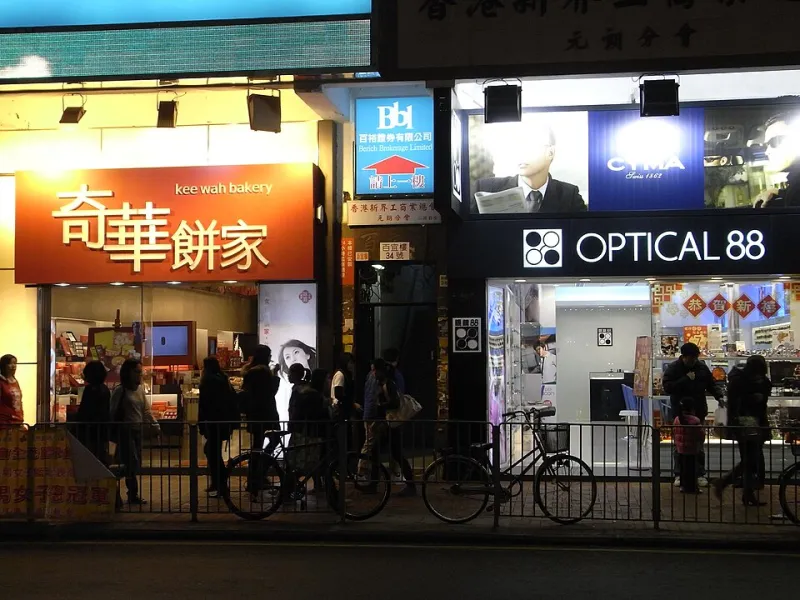
Photo: Daisanzhueng, CC BY-SA 3.0, via Wikimedia Commons
At 1.40am on a wet Thursday in Manchester, the queue outside a Northern Quarter bakery is not for bread. It is for the door. Inside, a 60-capacity room smells of yeast, cardamom and the warm plastic of a smoke machine. A DJ is playing dubby house from behind the counter; the espresso machine has been switched off, the pastry case is half-empty, and nobody is pretending this is a restaurant anymore. Welcome to the late-night bakery, the most unlikely dancefloor in Britain right now.
For winter 2026, these rooms are no longer a novelty. They are a scene. Across Manchester, Glasgow and London, bakeries, cafés and canteens are keeping their lights on past midnight to host intimate DJ sets, listening sessions and sober-friendly parties. The sell is not a headline DJ or a big room. It is proximity: to the bread, to the person next to you, to a night that ends before the first bus rather than after it. The result is a new kind of after-hours social life, one where a croissant at 2am feels less like a snack and more like a ticket.
The licence is the new door policy
None of this happens without paperwork. Late-night food venues already hold the kind of premises licences that clubs spend months arguing over, and many have spent 2026 testing how far those licences can stretch. A bakery with a 1am finish can add a small sound system, a curated DJ and a cloakroom without becoming a nightclub. A canteen with a late kitchen can host a listening session for 50 people and still serve soup at midnight. Councils are watching closely, but the model is hard to argue with: shorter queues, lower capacities, more women and older punters, less pressure to drink.
The spaces are also cheaper to run than clubs. There is no cavernous dancefloor to heat, no vast security bill, no need to fill 800 tickets. The overheads are already covered by the daytime trade. That economic reality has made the late-night bakery less of a gimmick and more of a survival strategy. For venues squeezed by energy costs and cautious spending, the after-dark shift is a second business inside the first.
From canteen to listening room
In Glasgow, the best version of this is almost invisible. A Garnethill café that usually closes at 4pm has been running monthly after-hours sessions with a turntable, a pot of filter coffee and a strict no-phone policy. The room holds 35 people. The first hour is for records; the second is for talking. Nothing about it looks like a party, which is exactly why it works. People arrive alone, order something warm, and leave with a phone number or a recommendation. It is nightlife as a living room, with better lighting and a slightly better soundtrack.
London has taken the same idea and given it a queue. In Hackney and Peckham, bakeries with late licences are staging ticketed sets from 10pm to 2am, often with a pastry-and-something-soft menu and a DJ chosen as much for their taste in ambient and soul as their ability to move a floor. The crowd is mixed: clubbers on the way out, shift workers on the way in, couples who want a night that does not require shouting. The vibe is closer to a record bar than a rave, but the dancefloor, such as it is, still fills.
Manchester sits somewhere بين the two. The Northern Quarter has the density for spontaneity, and the city’s after-hours crowd is used to walking between venues. A late-night bakery fits that rhythm. You can arrive at 11pm for a set, leave at 1am for another, and end up back where you started for the last coffee of the night. It is not a club crawl. It is a pastry crawl, and somehow that feels more 2026 than anything with a strobe.
Sober-friendly, not sober-only
The most interesting thing about these nights is not that people are not drinking. It is that nobody is making a thing of it. Some venues are fully alcohol-free; others serve wine and beer alongside cardamom buns and ginger shots. The point is choice, not purity. For anyone who has ever stood in a club queue at 2am wondering why the only options are a £14 cocktail or a tap water, the appeal is obvious. The bakery offers a third way: a warm drink, a plate of something, and a room that is dark enough to dance in but bright enough to see who you are talking to.
That mood has attracted a crowd that traditional nightlife often misses. Early-shift workers. Parents who have arranged childcare. People in recovery. People who simply do not want a hangover. The late-night bakery is not replacing the club. It is widening the door. And because the rooms are small, the social contract is clearer: you can dance, but you cannot disappear. You are in someone’s local bakery, after hours, and everyone can see you.
The croissant economy
There is a risk that this becomes another content trend: the same five pastries, the same five DJs, the same five captions. The venues that get it right are treating the food as part of the programming, not a prop. A good late-night bakery will have a short menu that makes sense at 2am: something salty, something sweet, something hot to drink. It will have lighting that flatters without hiding the room. It will have a sound system that is warm rather than loud, because the space cannot take loud. And it will have a finish time that respects the neighbours, because the licence depends on it.
For winter 2026, that feels like a genuinely new chapter for UK nightlife. Not a replacement for clubs, not a novelty, but a parallel scene with its own rules: smaller, slower, softer, and stubbornly social. The dancefloor is not the main event. The room is. The pastry is not the point. The pause is. And at 3am, when the last loaf has gone and the DJ is playing something you half-recognise, that feels like exactly the night out Britain has been looking for.