The Empty Room Has a Pitch: Britain’s Overnight Piano Tuners
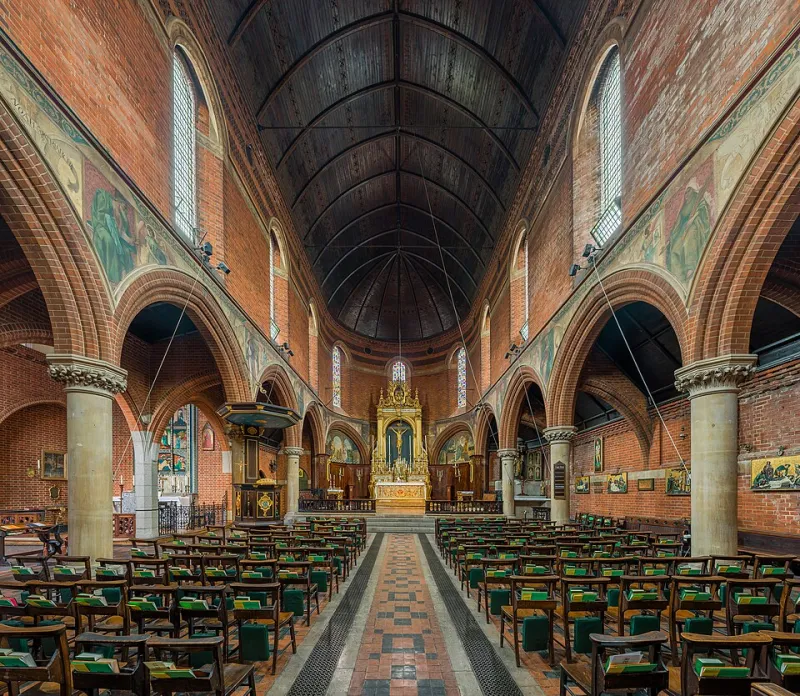
It is just past midnight in a Soho jazz basement, and the room is still warm with the ghosts of a sold-out set. Glasses have been collected. The stage lights are off. A door clicks open at the side of the bar and a woman with a small canvas tool roll walks towards the grand piano, switches on a headtorch, and begins to listen.
This is the other live music economy: the tuners, technicians and repairers who arrive after closing time, when the venue is empty and the city has thinned to taxis and street sweepers. They work while Britain sleeps, coaxing unisons back into place, easing sticky keys, regulating actions and leaving behind the one thing every late-night room needs but nobody claps for — a piano that is properly in tune.
The Room After the Room
A piano is not a static object. It is a wooden instrument under tension, breathing with the building around it. In a busy venue, temperature and humidity swing all night: doors open and close, bodies crowd the floor, extractor fans haul air through the bar, radiators click on at 2am. A piano tuned at 10am may be a different instrument by the second set.
That is one reason venues book tuners overnight. The other is simpler: during the day, the room is never really theirs. Rehearsals, soundchecks, yoga classes, private hires, comedy nights and film shoots all compete for the same floor. A theatre pit may be free only after the curtain call; a late-licence pub piano may be unreachable until the last punter has been gently persuaded towards the door. The overnight window is not romantic by design. It is often the only window there is.
“You are not just tuning the piano,” says Mara, a technician who has looked after instruments across Leeds, Manchester and a handful of stubbornly loyal jazz bars. “You are tuning it to the room. And the room tells you different things when there is nobody in it.”
Why 3AM Sounds Different
An empty venue has a different acoustic personality. Bodies absorb sound. A packed club softens reflections and damps the top end; an empty room lets the piano ring out with a clarity that can be alarming. Overnight tuners hear the building’s own notes: the low hum of a cellar fridge, the tick of a radiator, the distant thrum of a night bus, the way a glass door sings when the wind catches it.
That matters because the piano is effectively the room’s tuning fork. If the instrument is set at A440 while the room is cold, the first chord of the evening can arrive slightly sour once the heating and the crowd have done their work. A 3AM session lets the tuner work in a settled environment, after the sweat and heat of the show have dissipated but before the morning sun starts warming the windows.
It is also a form of diagnosis. A technician can hear things at 3am that a soundcheck hides. A rattle in the lid. A pedal that has developed a squeak. A hammer that is striking slightly off-centre after a month of hard gigging. In the quiet, the piano stops being a backdrop and becomes the main act.
The Kit and the Characters
Overnight tuners are a nocturnal breed. Some are former touring techs who prefer the solitude to the bus call. Some are pianists themselves, fitting jobs around their own gigs. Others are repair specialists who can re-glue a loose hammer head, replace a broken string or coax a seized action back into movement while the bar staff count the till.
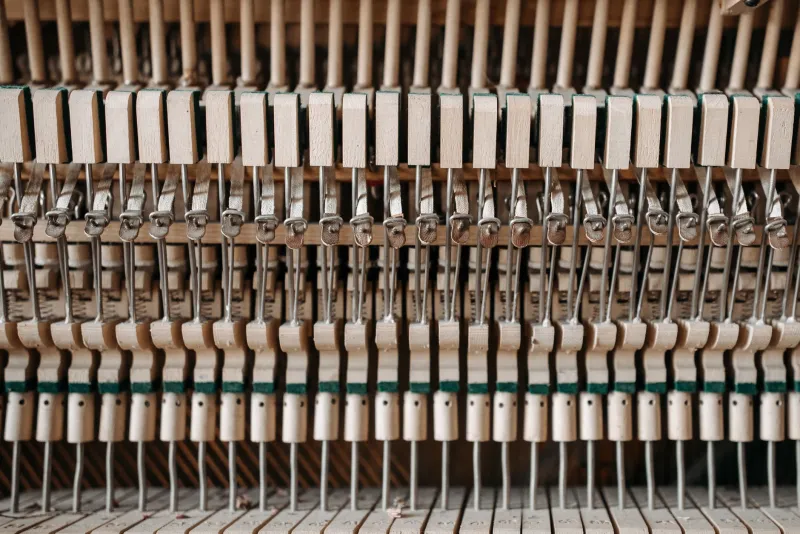
Their kit is modest and deeply personal: a tuning hammer, felt wedges, a mute or two, a small torch, an electronic tuning device for the stubborn octaves, and a collection of screwdrivers and pliers for the things that are not strictly tuning at all. The best of them also carry a certain bedside manner. A late-licence pub upright with lager-sticky keys and a sustain pedal like a loose tooth needs patience as much as precision.
They know the security codes. They know which cellar door sticks. They know which landlord will leave a mug and a tea bag out, and which venue will forget. They are, in a quietly literal sense, the first listeners of the night: the people who hear a room when it has no audience, no applause and no reason to perform.
The Unseen Maintenance Economy
Britain’s late-night live music depends on this invisible layer of care. The jazz bar with the house grand, the theatre with the pit piano, the rehearsal room with the upright that has been played by a hundred bands, the pub that hosts a Sunday night singalong and a Wednesday night trio — all of them rely on someone coming in after hours to keep the instrument playable.
It is not glamorous work. It is often solitary, poorly timed and paid by the job rather than the hour. But it is also a strange privilege. At 4am, with the streetlights outside and the room lit by a single headtorch, the piano becomes a kind of confessional. Every false beat, every sticking key, every slight drift in pitch is a record of the music that has already happened there.
By 5am, the tuner is packing up. They play one quiet chord — not a performance, just a check — and let it hang in the empty room. The last of the bass notes fades into the bar fittings. The lid goes down. The lights go off. Somewhere outside, the first bus is starting its engine. The room has a pitch again, and it will hold it until the next night’s noise begins.