Side B, Please: Why Britain's Listening Bars Are Asking You to Shut Up — Politely

Photo: dimly lit vinyl listening bar interior with turntable and horn speakers, people seated at small tables, moody warm lighting, via i5.walmartimages.com
It's 11.47pm on a Thursday and forty people are sitting in near-darkness listening to a record. Not a set, not a shuffle, not a playlist curated by an algorithm with a sense of occasion. A record — both sides, in order, sleeve propped against the wall so you can read the credits if you lean in close enough.
The bar in question sits behind an unmarked door off a Peckham side street. There are no menus on the tables, only a single card listing the evening's album and the year it came out. A sign by the till says, in small friendly capitals: phones away, voices low, listen first. Nobody enforces it. Nobody has to.
Welcome to the listening bar, Britain's most courteous night out.
The Room Does the Talking
The format isn't new — Japan has been doing jazz kissa for sixty years, and Amsterdam and Berlin have run audiophile bars for a generation — but the UK version has only properly taken hold in the last few years, and it has arrived with a British accent. Where the continental model can feel like a museum with drinks, the British rooms tend to be warmer, chattier at the edges and unapologetically social between sides. You talk in the gaps. You talk about what you just heard. Then the needle drops again and everyone shuts up.
"It's a rhythm, not a rule," says Nadia, who co-owns a forty-cover room in Manchester's Northern Quarter with a background in live sound. "People think silence means a library. It isn't. It's more like a theatre. You get twenty-two minutes of side A, then you've got a whole ten minutes to argue about it."
That argument is the whole product, really. The drink is almost incidental.
The Kit Is the Point
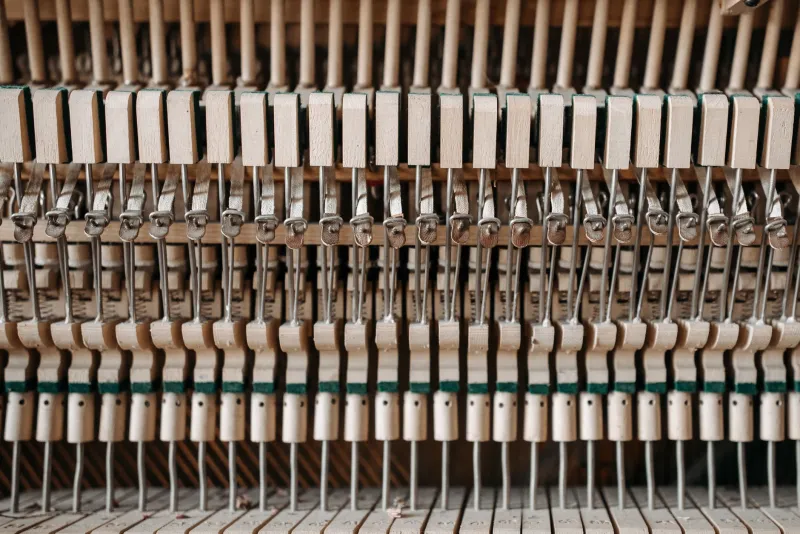
Asking about the sound system in one of these bars is like asking a stranger about their cycling injury: don't, unless you have an hour. Expect to hear about valve amplification, about horn-loaded speakers that cost more than a flat in Leeds, about the difference between a room that's been measured and a room that's been guessed at.
"You can't retrofit this into a basement with a low ceiling and a fire exit next to the left speaker," says Owen, a freelance acoustician who has consulted on four such venues in the past two years. "Half the job is refusing. I've talked more people out of opening listening bars than into them."
The practical result is that these rooms are usually small, oddly shaped and seating-led — thirty to sixty covers, a bar at one end, a wall of vinyl behind it. Tickets or a modest door charge are common, which is itself a quietly radical idea: paying to enter a bar.
One Album, All the Way Through
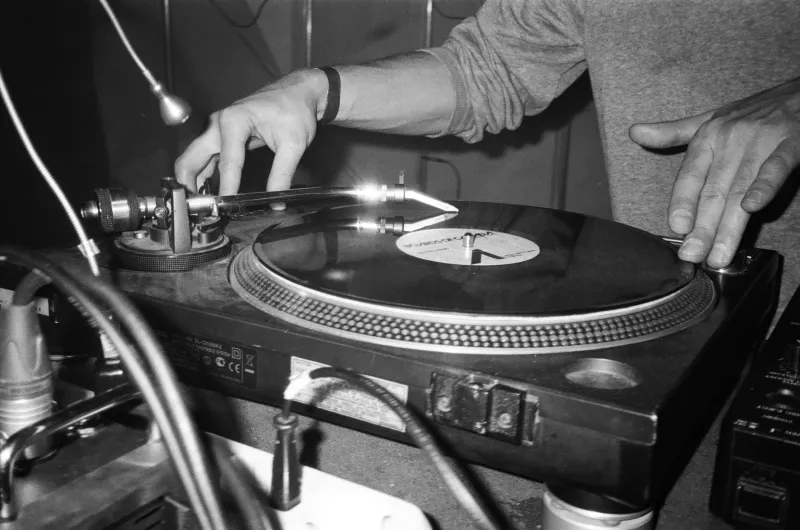
The house policy varies. Some venues programme a single record per sitting and print it on a card. Others let a guest selector bring three and choose live, with the crowd watching the sleeve change like a band taking the stage. A few run what amounts to an album club on a Tuesday, where the same forty people come back to hear something difficult and then say so.
What almost all of them share is a refusal of the skip. No track three repeated. No shuffle. The discipline is the draw — the sense that the person next to you is hearing the same thing at the same time, in a city that otherwise delivers culture in fragments to a pair of earbuds.
The New Etiquette
Regulars have evolved a small, unspoken code. Order in the gaps. Whisper, but don't mime. Don't film the sleeve, just read it. If you've brought someone who doesn't know the record, that's fine — but you're responsible for them.
And then there's the phone thing. Ask three owners about their approach and you'll get three answers: pleading signage, drop-boxes by the door, a discreet policy of polite glaring. What nobody does is snatch.
"We're not a monastery," says Nadia. "People take photos. People text. It's the scrolling that kills a room."
Who Turns Up
Not, as you might expect, a single grey-haired vinyl purist demographic. The crowd across the three nights we spent in these rooms was roughly half under thirty-five, noticeably dressed up for a night that involves sitting down, and strikingly mixed in what they'd come for — a birthday, a second date, a solo evening, a group of six who'd clearly failed to get into a club and found something better.
That last group is the tell. Listening bars are picking up people who want the shape of a night out — the going out, the late train, the low-lit room, the story on Monday — without a dancefloor's worth of noise and negotiation.
The Morning After the Night Before
There is a commercial question hanging over all of this. Silent rooms sell fewer drinks, because people drink more slowly when they're listening. Two sittings, a tenner on the door and forty covers do not make anyone rich, and a sound system is a capital cost that never earns.
"We are a bar that behaves like a venue, and we get taxed and licensed like a bar," one owner told us, with the resigned cheer of someone who has done the sums many times. "If I wanted a spreadsheet that made sense I'd have opened a coffee shop."
Still, they keep opening. There's a particular satisfaction in watching a room fall quiet at the exact moment a needle finds its groove — an entire city street outside, engines and late buses and people shouting someone's name, and forty humans inside choosing, together, to listen.
Check the listings, book the early sitting, and put your phone in your pocket. The album starts at midnight, and it does not wait.